
Digital multimeters are essential tools for anyone working in electronics, electrical engineering, or any field that requires accurate measurement of electrical signals. These devices offer a wide range of features and capabilities, making them a versatile and indispensable tool for professionals and hobbyists alike.
One of the key characteristics of a digital multimeter is its accuracy. These devices are designed to provide precise measurements of voltage, current, resistance, and other electrical parameters, from 3 1/2, 4 1/2, 5 1/2, 6 1/2 digits, etc. This accuracy is essential for diagnosing problems in circuits, testing components, and ensuring that electrical systems are functioning correctly. Suin has SA5053 5 1/2 digits digital multimeter to meet your requirement.
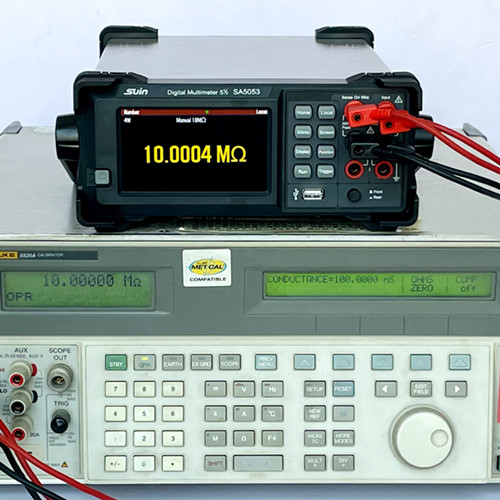
Another important characteristic of digital multimeters is their versatility. These devices are capable of measuring a wide range of electrical parameters, including AC and DC voltage, current, resistance, capacitance, frequency, and temperature. This versatility makes digital multimeters a valuable tool for a wide range of applications, from testing batteries and electronic components to troubleshooting complex electrical systems.
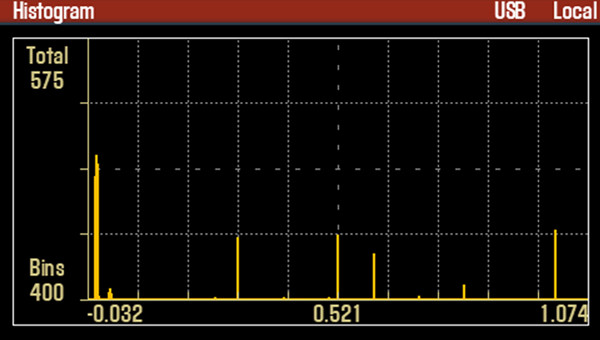
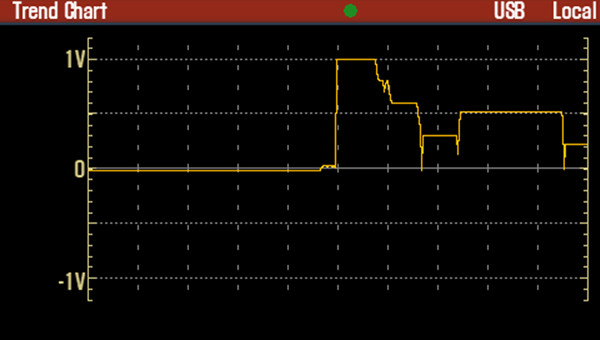
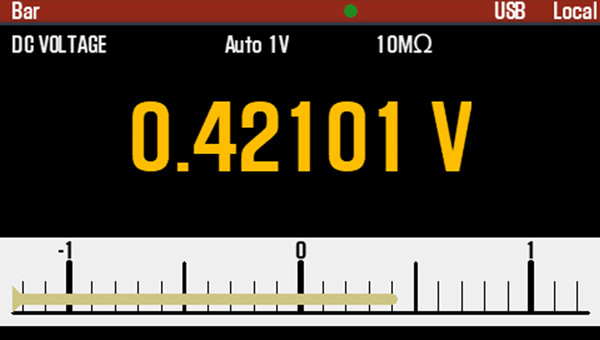
Digital multimeters also offer convenience and ease of use. These devices typically feature large, easy-to-read displays, intuitive controls, and a range of built-in functions to simplify measurement tasks, remote controlling through RS-232, USB, LAN on computers, etc. Some ones can display the histograms, trend charts, bar charts, see below pictures in Suin SA5053.
When choosing a digital multimeter, it is essential to consider the specific requirements of your application. Digital multimeters come in a variety of models with different features and capabilities, so it is important to select a device that meets your needs and budget. Some key factors to consider include the measurement range, accuracy, resolution, and durability of the device.
In conclusion, digital multimeters are powerful and versatile tools that play a crucial role in electronics, electrical engineering, and other fields. These devices offer accurate measurements, versatility, convenience, and ease of use, making them essential for professionals and hobbyists alike. When choosing a digital multimeter, it is important to consider the specific requirements of your application and select a device that meets your needs. Suin SA5053 can be a better choice for you.
Please contact us to begin our business!
Jul. 16, 2026
Power Quality Analyzer Buying Guide: How to Choose the Right ModelJun. 18, 2026
Dragon Boat Festival Holiday NoticeJun. 16, 2026
RF Signal Generator Selection Guide Based on Key Performance Specifications